
GERARD SOEST (c.1605 -1681) - PORTRAIT OF A GENTLEMAN / SAMUEL BUTLER (1630 -1680)
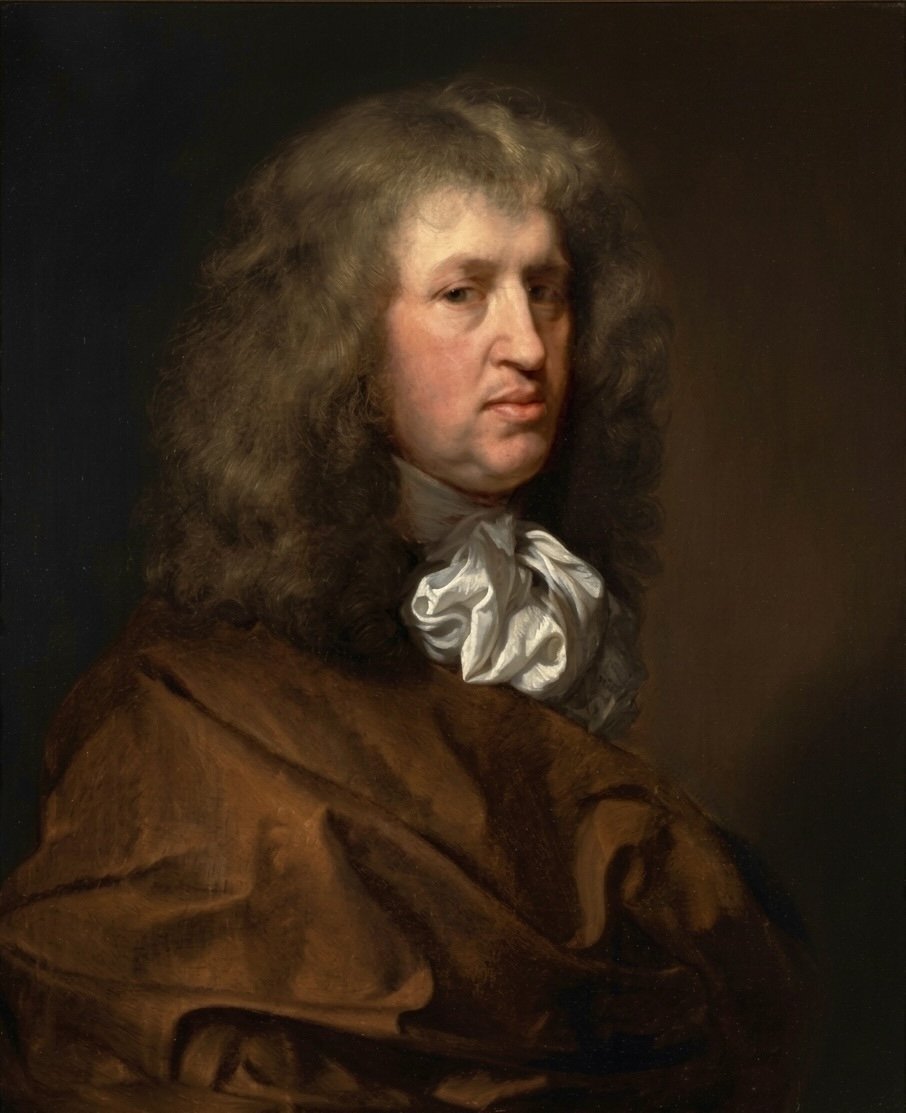
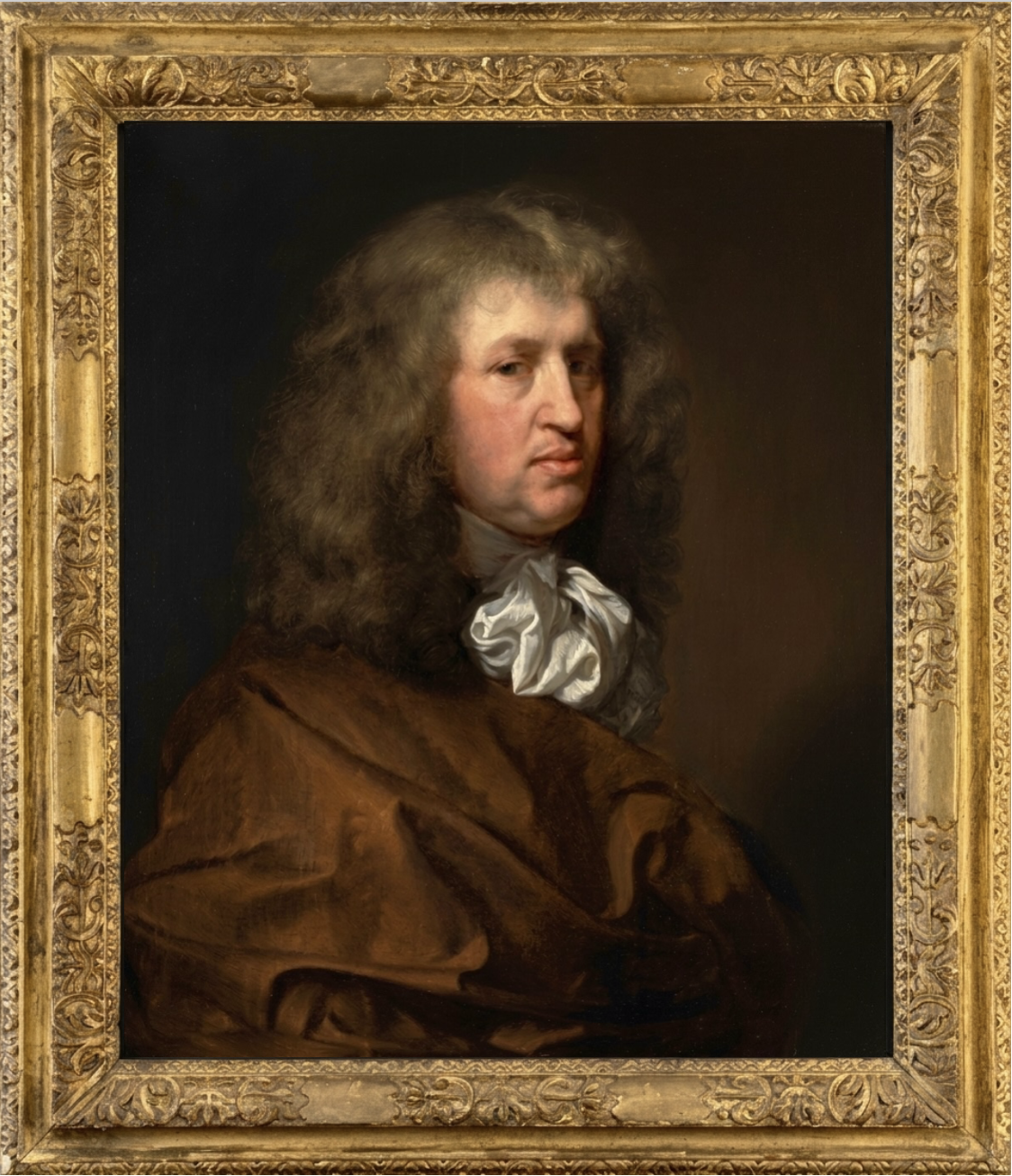
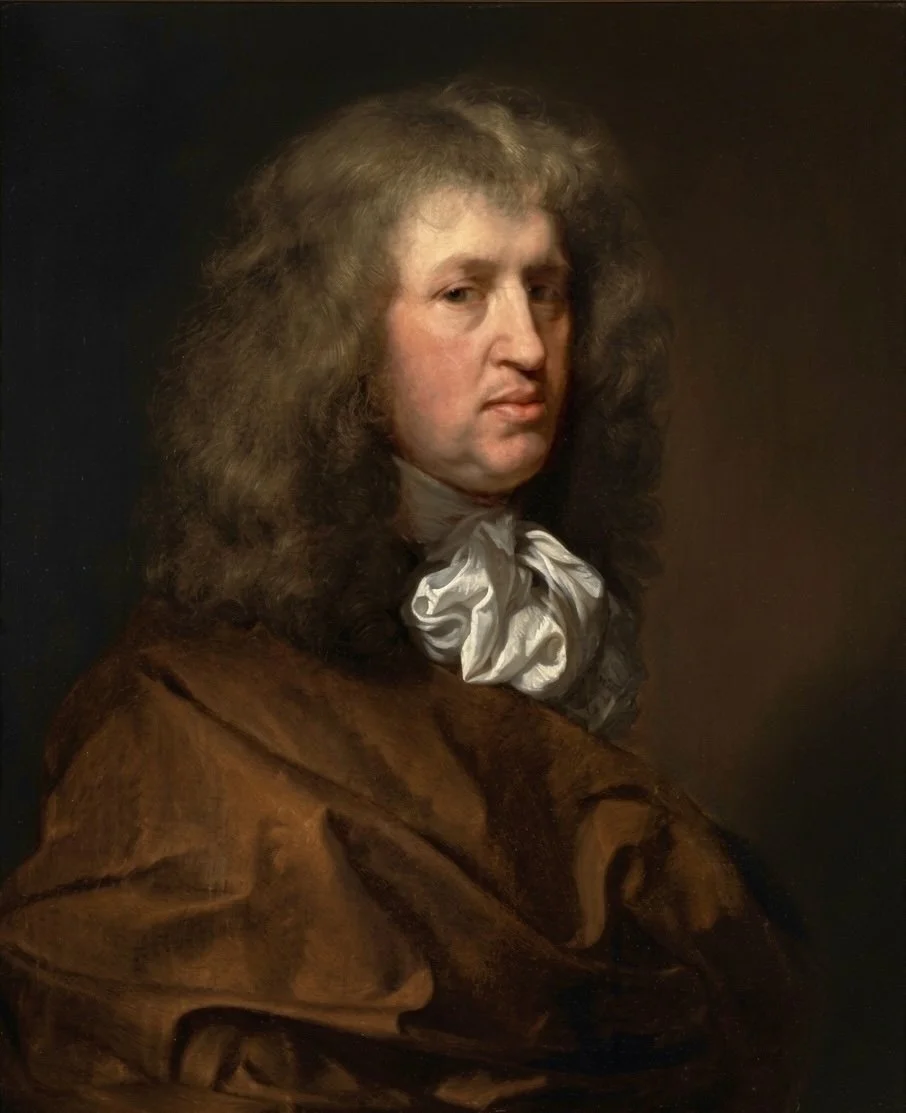
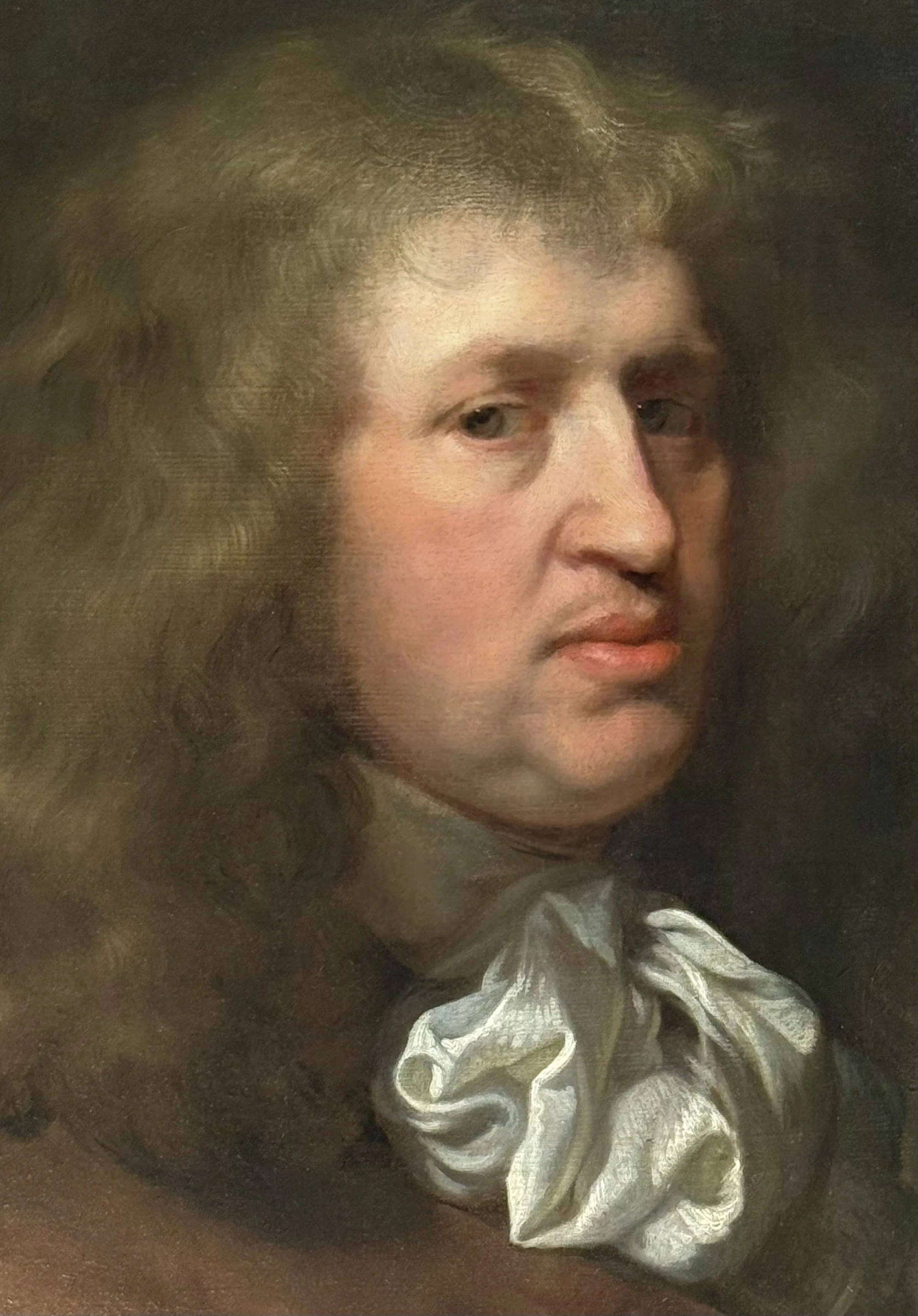
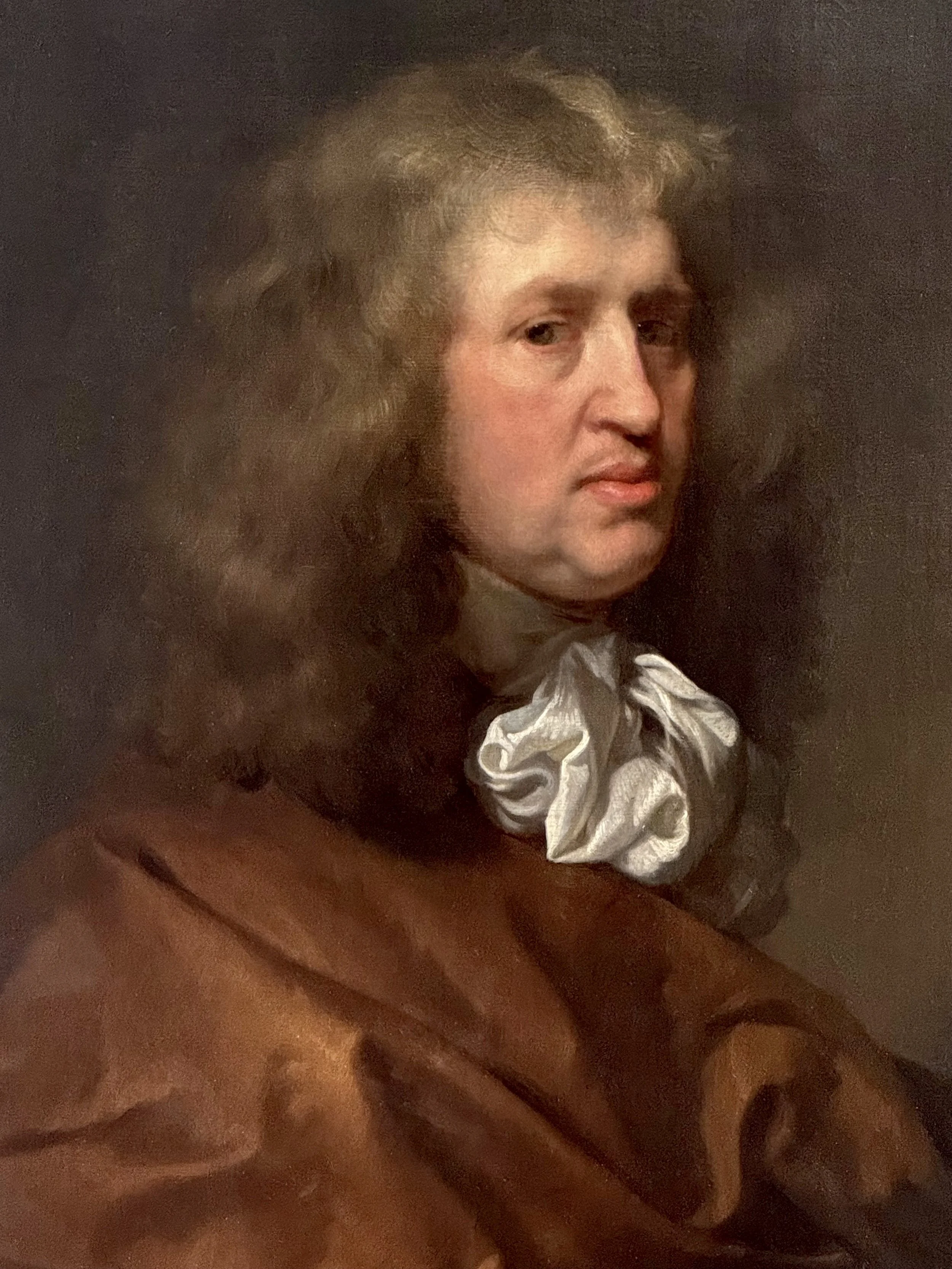
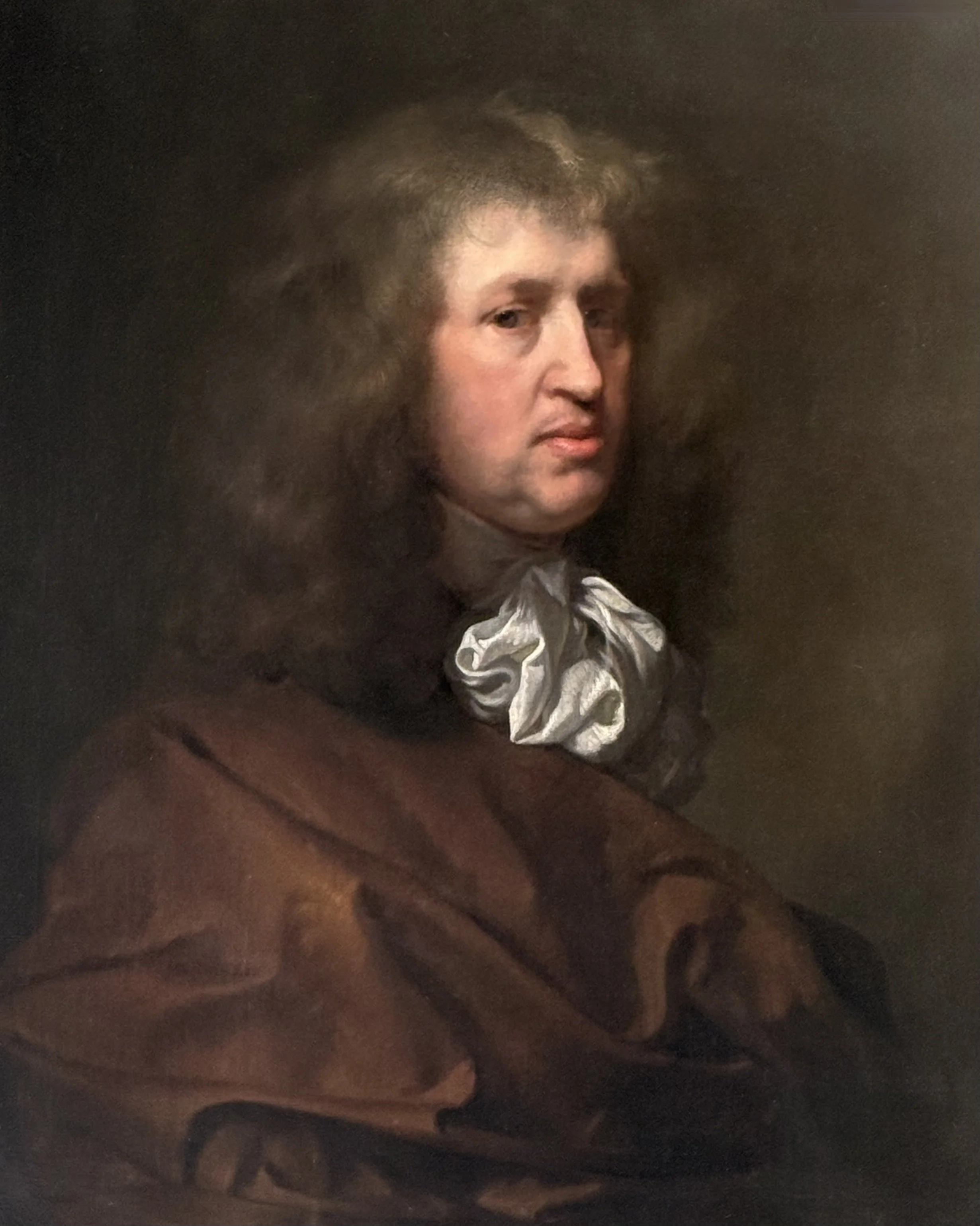
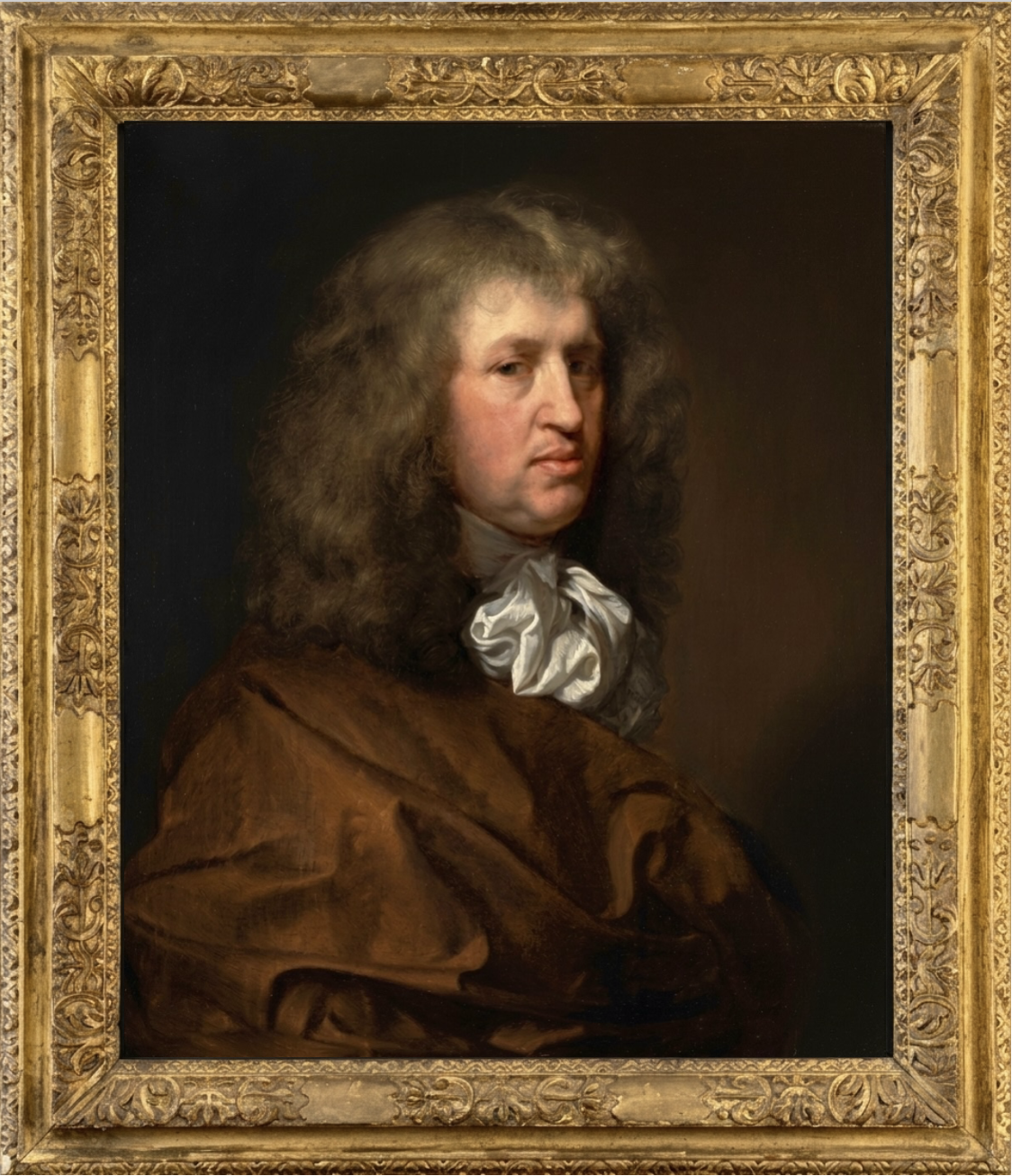
Portrait of a gentleman (Samuel Butler 1630-1680) Half-length, wearing a brown mantle and white cravat
Oil on canvas in a period carved and gilded frame Canvas: 70cm x 65cm / Framed: 86cm x 74cm
Price: £48000
PROVENANCE Collection of the Earls of Thanet By whom sold Messers Christies, Manson & Woods 14th March 1930 Lot 13 (as Sir Peter Lely portrait of the artist in brown cloak with white cravat) Collection of Arthur Savarin Cohen Maryland USA By whom sold Potomack Auctions April 22nd 2026 lot 3064 (as circle of Sir Peter Lely) Where acquired by Period Portraits
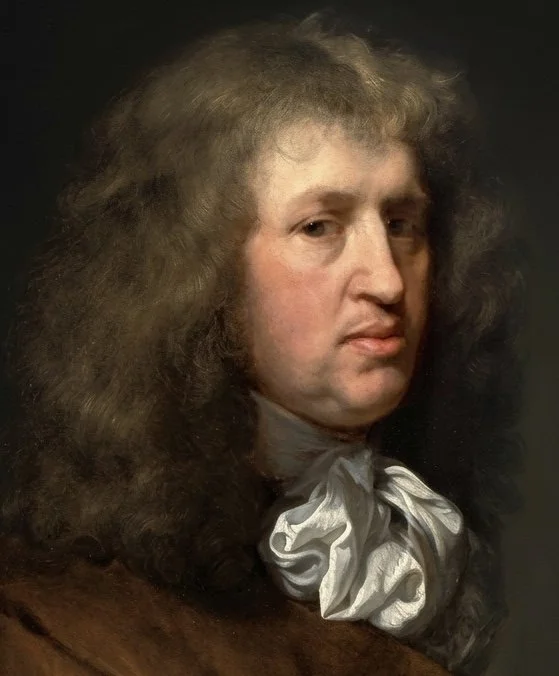
An exceptional and recently rediscovered portrait by Gerard Soest, recognisable from other depictions as the poet and satirist Samuel Butler (1630-1680). The sitter wears a prominent knotted cravat and rich classical cloak, and this young celebrated literary gentleman of the Restoration court. possesses a sharp, thoughtful, and brooding intensity.
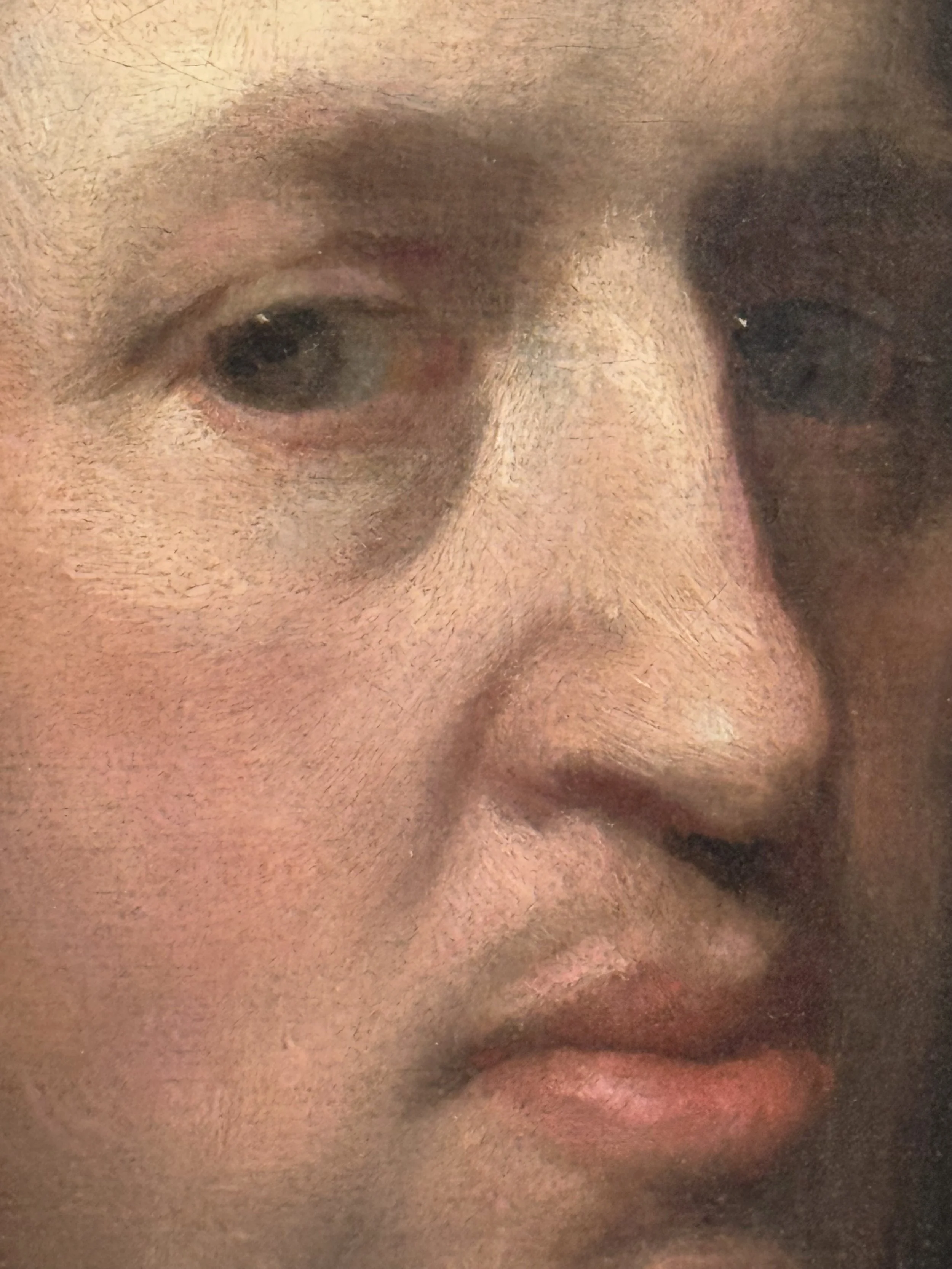
The majority of portraits of this sitter (including NPG 2468 the version acquired by the National Portrait Gallery in 1930) depict Butler at middle age and orientated towards the left of the canvas. Our painting shows a younger figure looking towards the right, and the slightly heavy set of his jaw, the somber, thoughtful curve of his lips, and the deeply individualised shape of his nose all align perfectly with Samuel Butlers known iconography.
As Butler’s Hudibras (1663-1678) was the ultimate anthem of the Royalist cause, and given that this work was preserved for nearly three centuries by the Earls of Thanet (a fiercely Royalist family) it is highly likely that this portrait was commissioned and then hung prominently by them as a trophy of political and cultural allegiance to the Crown.
Gerard Soest (c. 1600–1681) is a highly significant figure in 17th-century art. His career spans a fascinating, turbulent transition in British history: the Interregnum/Commonwealth (1649–1660) and the Restoration of Charles II (1660–1681).
During this period Sir Peter Lely dominated the royal court with his highly idealised, sleepy-eyed and outwardly glamorous portraits. By contrast Gerard Soest honed in on his sitters inner personas and his focus on their character and individuality produced portraits with exactly the same sharp, thoughtful, and brooding intensity that we see here.
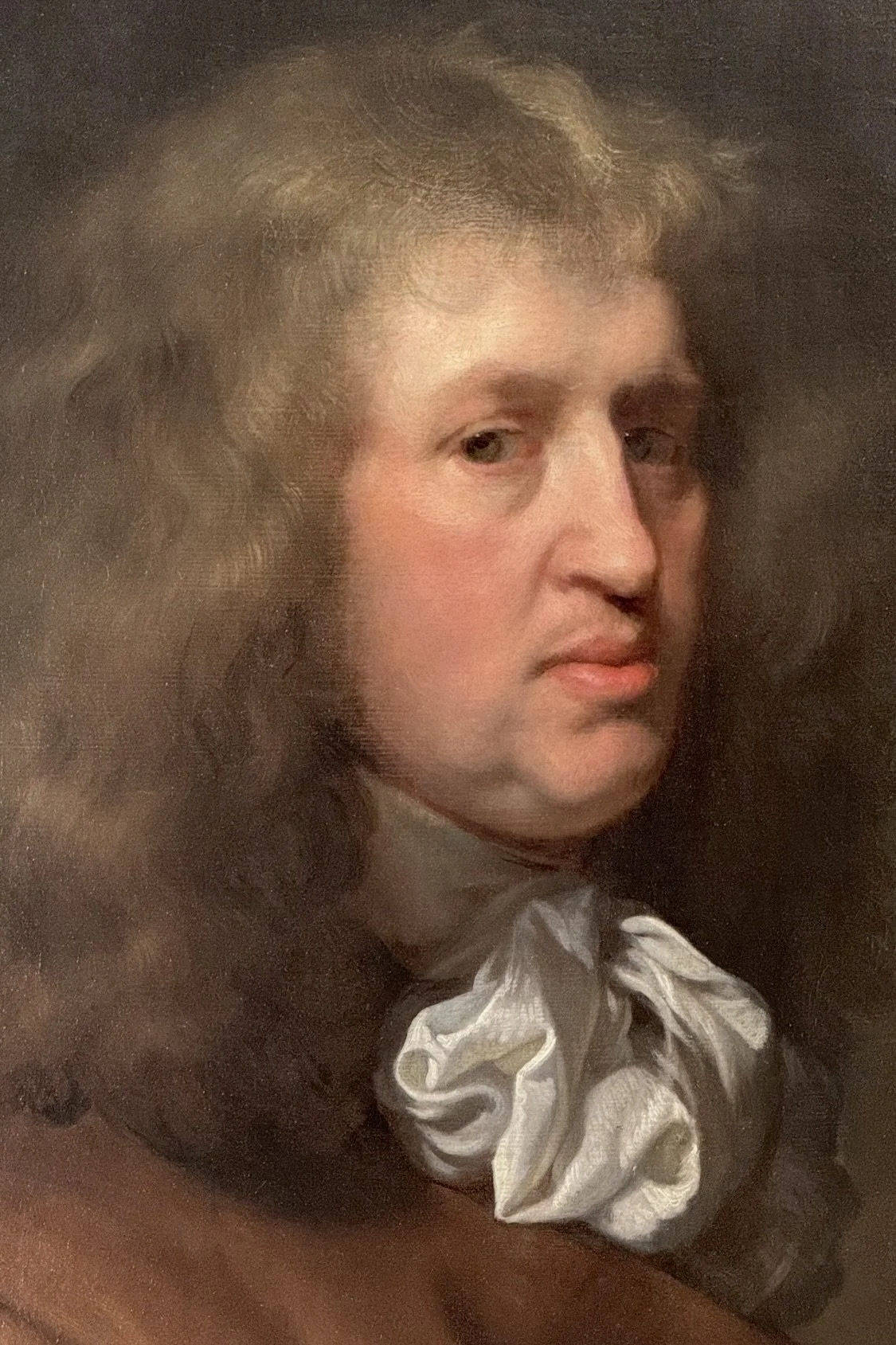
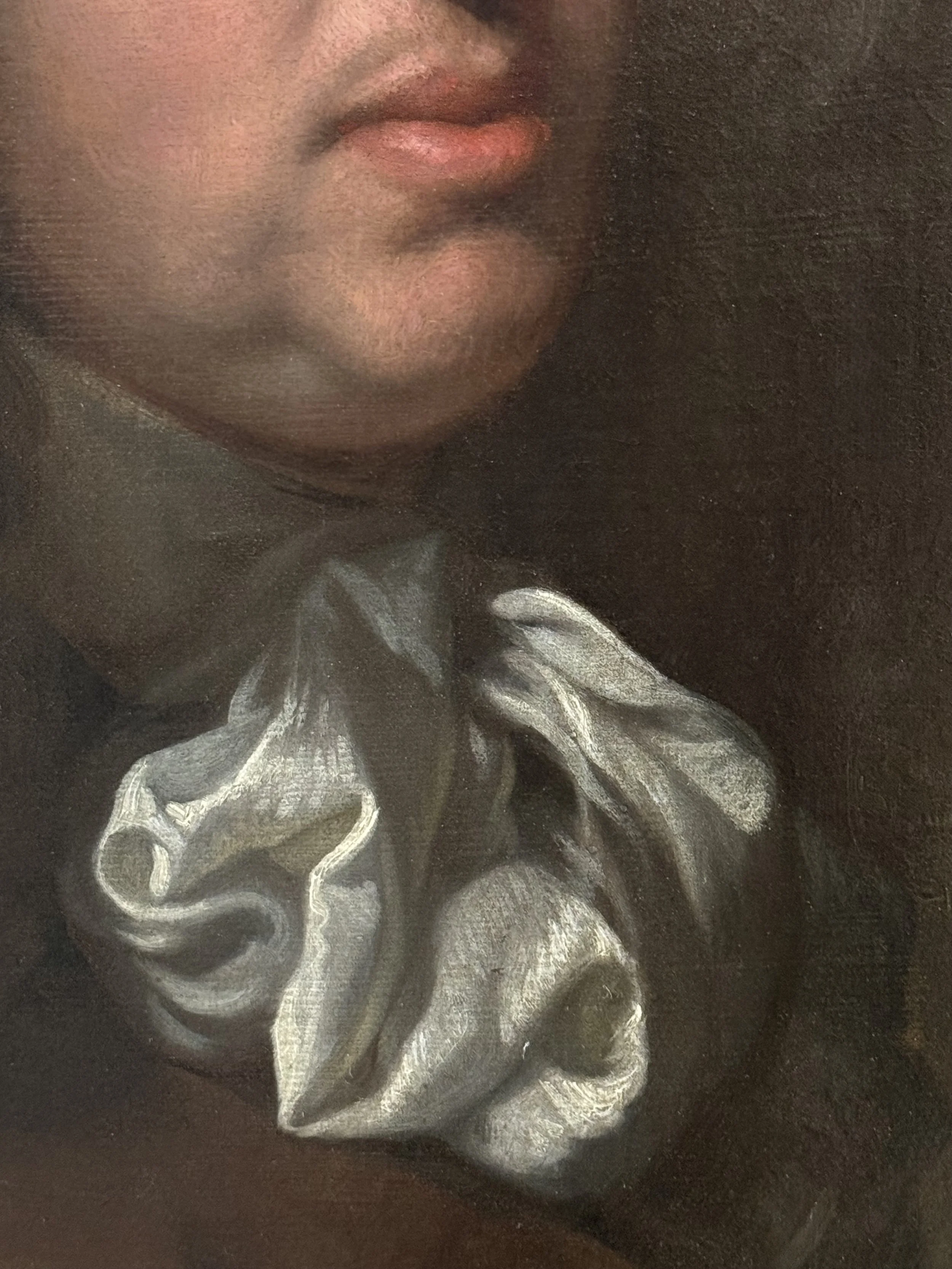
Soest conjured drapery with such incredible technical skill that one of his major contributions to the British Baroque style must be his handling of fabrics. The recognisable sharp angular folds that he creates (seen here particularly on the sitters cravat) add a dramatic, shimmering quality to his portraits, and also help to communicate the high status of his sitters.
During a period when likenesses were flattering by design, Lely painted the king, his mistresses, and the high nobility, in portraits used as political propaganda. Gerard Soest however provided a crucial counterpoint with his depictions of the English gentry, scholars, and wealthy merchants. His portraits are both beautiful and honest records of the actual people who built and lived in Restoration-era England.
Notes See Heinz Archive and Library, NPG, London Sir Peter Lely artist box as Soest.
Expert Opinion
‘Having seen the portrait in the flesh, I can state that this is a good example of Soest’s male portraiture, showing the artist’s recognisable manner of painting different surfaces, such as the hairs of the sitter’s wig and the highlighted folds and creases of his cravat, as well as his slightly glassy eyes, which are so characteristic of Soest. The portrait appears to depict Samuel Butler, when compared to later portraits of him, especially with the shape of the sitter’s nose and nostrils, his chin, the spacing of the philtrum and the size and shape of his full lips. As such, it would add a new and very interesting work to Butler’s iconography.’
Dr. David Taylor: Independent art historian and specialist in 16th and 17th-century portraits (former curator of pictures and sculpture at the National Trust, and senior curator at the National Galleries of Scotland).
Quisque iaculis facilisis lacinia. Mauris euismod pellentesque tellus sit amet mollis.